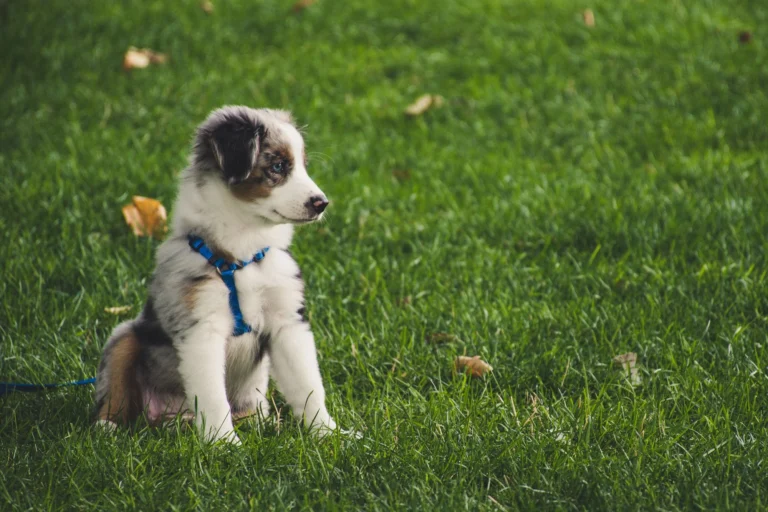
Puppy Biting: When Your Little Sweetheart Becomes a Land Shark
Your adorable puppy has discovered teeth, and apparently your sleeves are fascinating.
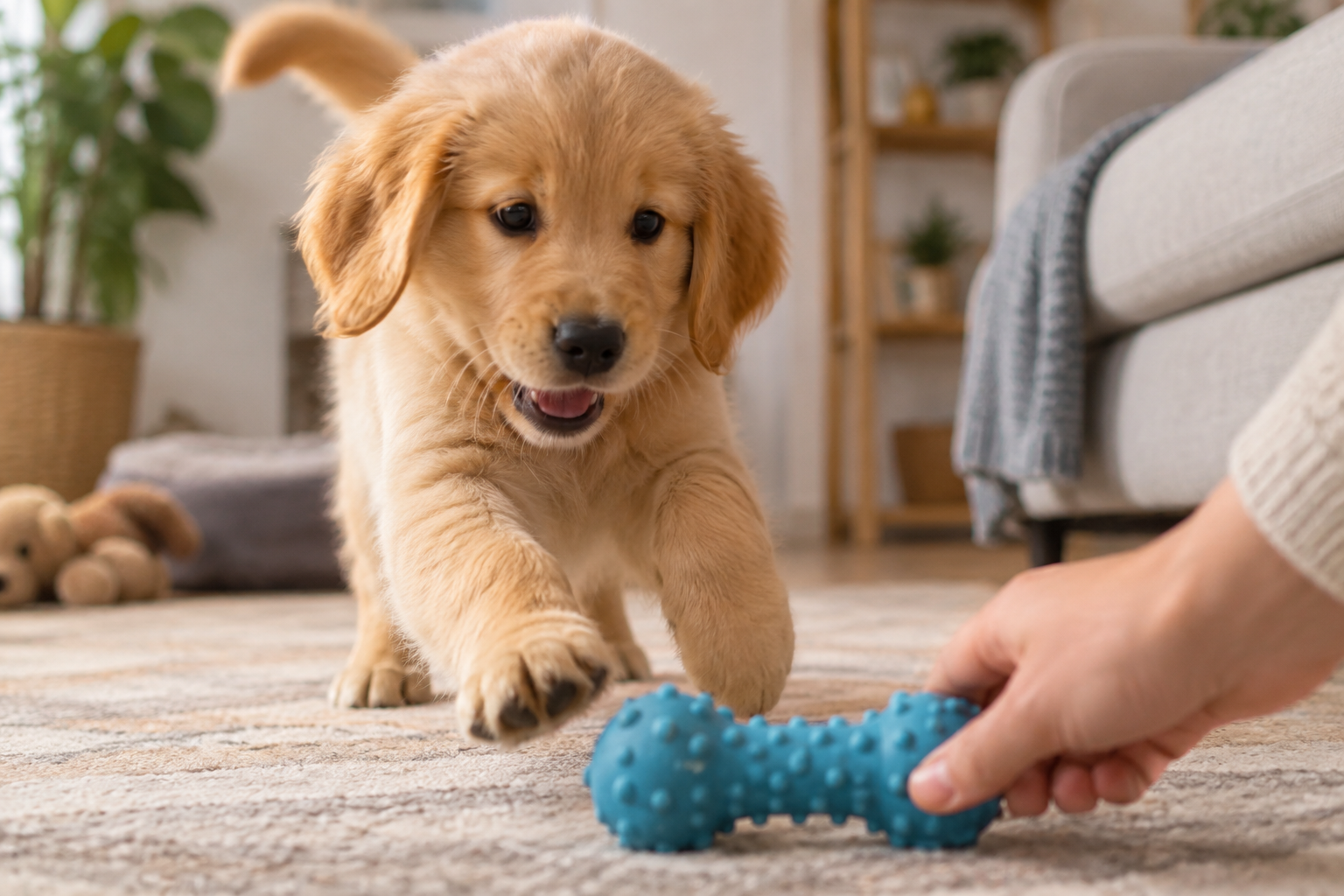
Start by placing a puppy-safe toy within easy reach. The next time teeth touch you, calmly offer the toy instead.
That simple swap won’t fix everything overnight. It does begin teaching an important lesson: teeth belong on toys, not people.
Why puppies bite and mouth
Puppies explore with their mouths. They use them to investigate objects, start games, and interact with other dogs.
Mouthing means placing the mouth or teeth on something without necessarily biting hard. It can still hurt, especially when tiny teeth catch skin or clothing.
Common reasons for puppy biting and mouthing include:
- Exploring a new object, person, or place
- Trying to begin play
- Feeling excited or overstimulated
- Seeking attention
- Chewing because the gums feel uncomfortable
- Becoming tired, frustrated, worried, or hungry
- Practicing normal dog behavior without knowing human rules
Your puppy isn’t plotting against your ankles. They simply haven’t learned what’s acceptable in a human home.
That learning takes repetition. It also takes calm management while your puppy’s self-control develops.
First, notice what happens before the biting
The most useful question isn’t only, “How do I stop this?” Ask, “What happened right before it?”
For a few days, notice the timing and setting. You don’t need a fancy training journal.
Write down quick details such as:
- The time of day
- What your puppy was doing
- Who was nearby
- Whether food or toys were present
- How long your puppy had been awake
- Whether the biting followed fast play
- What happened after the bite
Patterns often appear quickly. Your puppy may become especially mouthy before a nap or during busy evening activity.
Some puppies bite when people wave hands near their faces. Others chase trousers when someone walks away.
Knowing the pattern helps you act sooner. Prevention is much easier than negotiating with a furry piranha already attached to your sock.
Redirect teeth to something appropriate
Keep suitable chew toys in the rooms where your puppy spends time. Choose toys made for dogs and appropriate for your puppy’s size.
When your puppy approaches with an open mouth, offer a toy before teeth reach you. Move the toy gently along the floor to make it interesting.
If teeth are already on your hand, avoid jerking away. Fast movement can turn your hand into a more exciting target.
Instead, become still and calmly present the toy. Praise your puppy when they chew or play with it.
Rotate a few toys rather than covering the floor with everything at once. A toy that disappeared yesterday can feel surprisingly new today.
Check toys often for damage. Remove anything that’s breaking apart or small enough to swallow.
Make biting end the fun
If your puppy bites during play, pause immediately. Keep your response calm and predictable.
Stand up or move your hands out of reach. Wait briefly for your puppy to settle, then offer a toy or restart gentler play.
If biting begins again, end the interaction and step away. A baby gate can help you leave without grabbing or wrestling with your puppy.
This is a short reset, not a frightening punishment. Your puppy learns that rough teeth make attention disappear.
Some advice suggests making a loud yelp. That sound may interrupt certain puppies, but it excites or worries others.
If yelping makes the biting harder, skip it. Quietly ending play is usually clearer and less dramatic.
Don’t hold your puppy’s mouth shut or push fingers into it. Avoid hitting, shouting, pinning, or rolling your puppy onto their back.
Those actions can cause fear and defensive behavior. They also fail to teach what your puppy should do instead.
Reward the behavior you want
It’s easy to focus on teeth because teeth are memorable. Unfortunately, calm puppy behavior often passes unnoticed.
Catch your puppy doing something right. Offer gentle praise, a toy, or a small piece of their normal food.
Useful moments to reward include:
- Sitting near you without biting
- Licking instead of grabbing
- Chewing an appropriate toy
- Keeping four paws on the floor
- Letting go of clothing
- Settling quietly on a bed or mat
- Watching moving feet without chasing them
You can also teach a simple “drop” cue through positive training. Begin with a low-value toy rather than something dangerous.
Offer a trade your puppy wants, such as another toy or food. Say the cue once, then reward the release.
Don’t chase a puppy who steals an object. Chasing can turn the theft into a thrilling game.
If your puppy has something dangerous, stay calm and trade promptly. Contact a veterinarian if you think any unsafe item was swallowed.
Build calmer play habits
Hands shouldn’t be wrestling toys. Games that encourage grabbing skin can make your rules confusing.
Use longer toys for tug and interactive play. They create some helpful distance between teeth and fingers.
Keep play sessions short enough that your puppy can still think. Pause before excitement turns into frantic jumping and biting.
During tug, stop if teeth touch skin. Resume when your puppy is calm and focused on the toy.
Fetch, gentle training, sniffing, and food-search games can also provide activity. Match games to your puppy’s age, body, confidence, and current skills.
Avoid forced exercise or repetitive high-impact activity. Ask your veterinarian about suitable physical activity as your puppy grows.
Mental activity matters too. A few minutes of easy training can be more settling than nonstop rough play.
Protect naps and quiet time
A tired puppy doesn’t always look sleepy. Sometimes a tired puppy looks like a tiny tornado with opinions.
Watch for frantic running, harder biting, poor focus, or repeated grabbing. These can mean your puppy needs less excitement and more rest.
Guide your puppy to a calm, comfortable sleeping area. Offer a safe chew if that helps them settle.
Don’t use the sleeping area as punishment. It should remain a secure place for rest.
Household activity can make switching off difficult. Lower the noise, reduce handling, and give your puppy space.
Rest needs vary by puppy. Focus on behavior rather than forcing a rigid schedule.
If your puppy suddenly struggles to settle or seems uncomfortable, speak with a veterinarian. Pain and illness can change behavior.
Manage clothes, feet, and moving children
Loose trousers, dressing-gown ties, and flapping sleeves are tempting targets. Wear practical clothing while your puppy learns.
If your puppy grabs fabric, stop moving. Pulling away can start a tug game and may tear the clothing.
Offer a toy or scatter a few pieces of normal food nearby. Once the puppy releases, calmly move on.
For ankle chasing, keep a toy ready before you walk through exciting areas. Reward your puppy for following without grabbing.
Children need close adult supervision around puppies. A child’s quick movements and high voice can increase excitement.
Teach children to become still if the puppy gets mouthy. An adult should then redirect or separate the puppy calmly.
Don’t ask children to discipline the puppy. They also shouldn’t run while a puppy is chasing or biting their clothes.
Use gates or separate spaces when active supervision isn’t possible. Supervision means an adult is close enough to respond immediately.
Puppies and children both need breaks. Separating them is sensible management, not a failed friendship.
Be careful around food and valued objects
A puppy may grab or stiffen around food, toys, or stolen objects. Don’t test this behavior by repeatedly taking things away.
Instead, teach that your approach brings good things. From a comfortable distance, you can calmly toss something appealing and move away.
Use trades when you need an item back. Avoid reaching into your puppy’s mouth unless there’s an immediate emergency.
Watch the puppy’s whole body. Stiff posture, freezing, hard staring, hovering over an object, or growling can show discomfort.
Never punish a growl. A growl is useful communication that says the puppy needs more space.
Punishing the warning may suppress it without changing the underlying concern. Get qualified help before the situation escalates.
What about teething?
Puppies lose baby teeth as adult teeth come through. During this period, chewing may become more frequent or intense.
Offer puppy-safe items with different textures. Follow the maker’s safety guidance and supervise new chews.
Avoid objects that are extremely hard or easy to splinter. A veterinarian can help you choose options that suit your puppy.
Cold puppy-safe toys may feel soothing, depending on their design. Don’t offer frozen items so hard that they could damage teeth.
Check the mouth only if your puppy is comfortable with gentle handling. Don’t force it open.
Bleeding, swelling, a broken tooth, a bad smell, trouble eating, or obvious pain needs veterinary advice. Sudden mouthiness can also come from discomfort elsewhere.
Expect progress, not instant perfection
Puppies don’t apply a lesson perfectly in every room. A puppy who plays gently in the kitchen may forget everything in the garden.
Keep your response consistent:
- Pause when teeth touch skin or clothing.
- Redirect to an appropriate toy.
- Reward calm chewing or gentle play.
- End the interaction if biting continues.
- Consider whether your puppy needs rest or less excitement.
Everyone in the home should follow the same basic plan. Mixed reactions can make learning slower.
Improvement may look gradual. Bites may become softer, shorter, less frequent, or easier to redirect before disappearing.
Avoid comparing your puppy with another dog. Temperament, development, past experiences, and the home environment all affect learning.
When biting needs professional help
Normal puppy mouthing can be noisy and painful. However, some behavior deserves prompt support rather than home experimentation.
Contact a veterinarian if biting starts suddenly or comes with signs of pain, illness, appetite changes, or unusual tiredness. A medical problem can affect behavior.
Ask for help from a qualified, reward-based dog trainer or behavior professional if your puppy:
- Bites hard enough to cause repeated injuries
- Frequently stiffens, freezes, or guards objects
- Shows intense fear before biting
- Bites during gentle handling or ordinary approaches
- Cannot calm down after triggers are removed
- Becomes increasingly difficult to interrupt
- Directs concerning behavior toward children or vulnerable adults
Choose someone who uses humane, reward-based methods. Avoid trainers who rely on intimidation, pain, or “dominance” techniques.
If a bite breaks skin, wash the area and seek appropriate medical advice. Keep the puppy safely separated while you review what happened.
Getting help early isn’t overreacting. It protects people while giving the puppy a clearer path forward.
Your small step for today
Put one safe puppy toy in each room where biting usually happens. Then decide on one calm response everyone will use.
When teeth touch people, pause, redirect, and reward the better choice. That steady routine is how your little land shark learns to live on dry land.