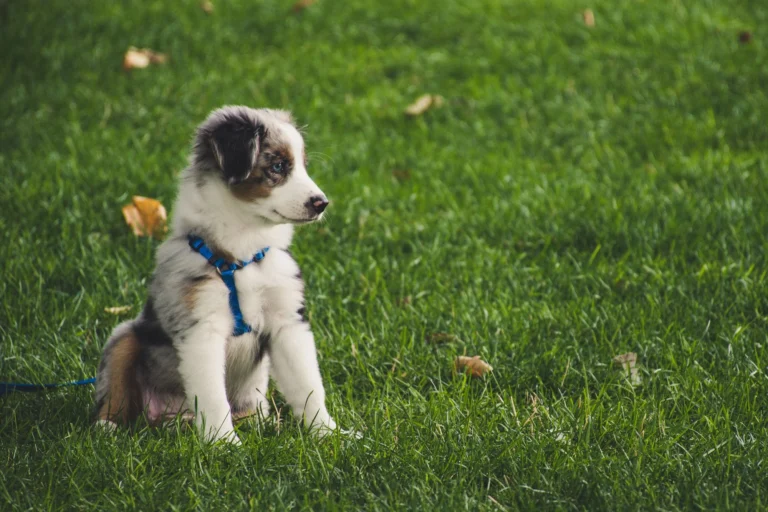
Why Does Your Puppy Follow You Everywhere?
Congratulations: you appear to have acquired a tiny, furry shadow.
Start by noticing when your puppy follows you. Watch what happens just before and afterward. This simple clue often explains the behavior.
Following You Is Usually Normal
If you’re wondering, “why does my puppy follow me everywhere?”, attachment is the simplest answer.
You provide food, comfort, play, and access to interesting places. Your puppy is still learning how the household works. Staying close to you feels safe and rewarding.
Young puppies also have limited experience with being alone. They may not yet understand that you always come back. Confidence usually grows through many calm, manageable separations.
Some puppies are naturally more social than others. Personality, past experiences, and current surroundings all matter. Following doesn’t automatically mean your puppy has a behavior problem.
Check What Your Puppy Needs
Constant following can be practical communication. Your puppy may need a toilet break, water, sleep, movement, or reassurance.
Look at the whole situation. A puppy following you toward the door may need outside. One trailing you while biting your trousers may be overtired and ready for rest.
Sudden clinginess deserves extra attention, especially with other changes. Contact a veterinarian if your puppy also seems painful, weak, unusually quiet, or unwell.
Your Response Can Encourage Following
Puppies quickly repeat actions that bring good things. If following always earns petting, treats, or play, it becomes a successful strategy.
You don’t need to ignore your puppy all day. Instead, sometimes give attention while they’re resting independently. Quietly place a toy nearby or praise them for relaxing on their bed.
This teaches an important lesson: good things happen even without tailing you into the bathroom.
Build Independence in Tiny Steps
Give your puppy a comfortable resting place near you. Offer a safe toy, then move a short distance away. Return before your puppy becomes worried.
Gradually increase the distance or time. At first, that might mean stepping behind a doorway for one second. Keep departures and returns calm rather than turning them into major events.
A puppy-safe room, pen, or gated area can help. Make sure it contains no cords, unsafe objects, or chewable hazards. Never use the space as punishment.
Don’t force long periods alone to “teach” independence. Overwhelming a frightened puppy can make being alone feel even scarier.
Know When Following Signals Distress
Following becomes more concerning when your puppy cannot settle without you. Watch for frantic barking, heavy drooling, escape attempts, destructive scratching, or toileting only when left alone.
These behaviors may indicate separation-related distress. That means the puppy experiences real fear or panic during separation.
Avoid punishment, since fear isn’t disobedience. A veterinarian or qualified reward-based trainer can help you plan safe next steps. Seek prompt help if your puppy could injure themselves while trying to escape.
Keep Your Little Shadow Safe
Following feet can create hazards. Pause before turning, closing doors, or carrying hot drinks. Teach family members to check where the puppy is before moving furniture or opening an outside door.
A cheerful cue such as “bed” can redirect your puppy safely. Reward them for moving to their resting spot rather than pushing them away.
Today, choose one calm moment and reward your puppy for resting independently. Even ten relaxed seconds is a useful beginning.