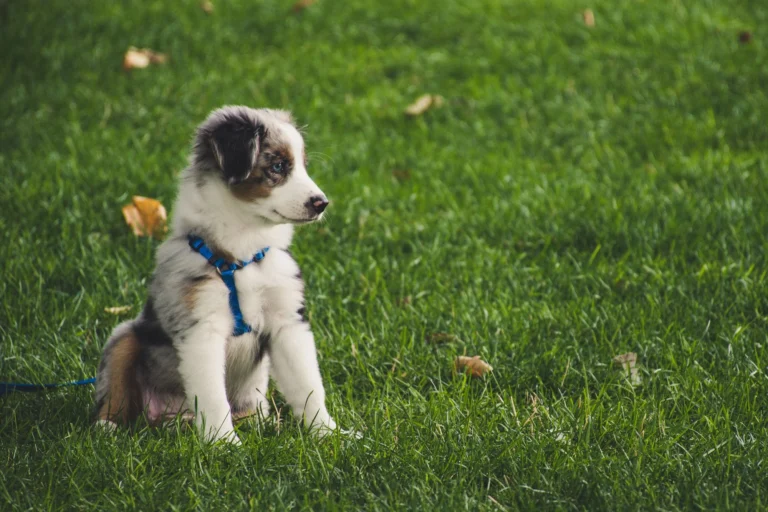
How to Teach Your Puppy Their Name
Your puppy’s name may currently mean, “A human is making noises again.” That’s normal.
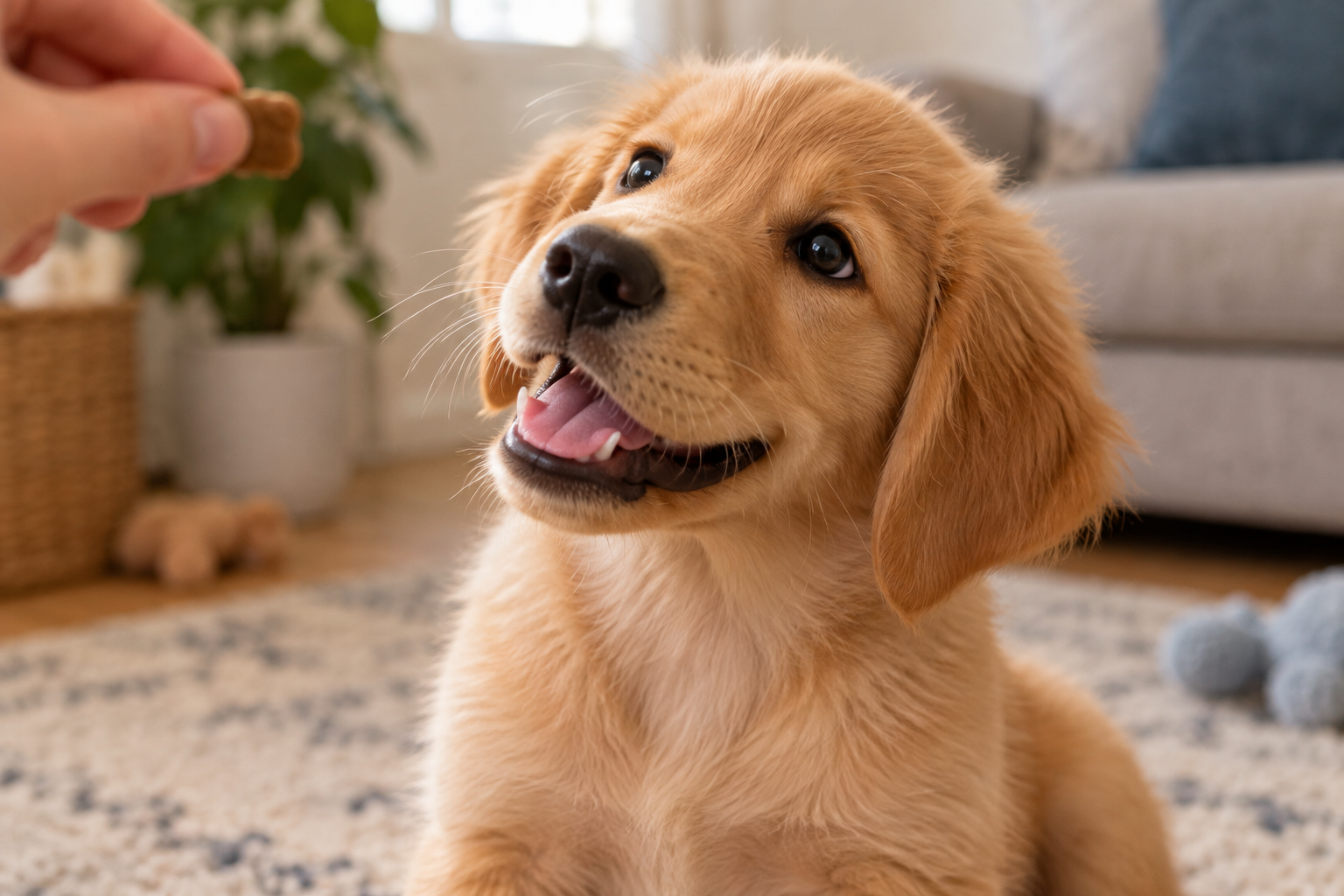
Start somewhere quiet with a few small treats. Say your puppy’s name once, then reward any glance toward you.
That simple moment is the foundation of name training.
Decide what the name should mean
A puppy’s name should mean, “Pay attention to me.” It doesn’t need to mean “come,” “sit,” or “stop chewing that sock.”
Keeping those cues separate makes training clearer. Use the name to get attention, then give another cue if needed.
For example:
- “Milo,” followed by “come.”
- “Poppy,” followed by “sit.”
- “Luna,” followed by “leave it.”
This distinction becomes useful when your puppy is farther away or distracted. Their name gets their attention, while the next cue explains what to do.
Pick a quiet place to begin
Begin in a calm room with few distractions. Turn off the television and move exciting toys out of reach.
Have several tiny treats ready before you start. Soft, easy-to-eat pieces help keep the lesson moving.
You can also use part of your puppy’s regular food if they enjoy it. Keep overall food portions sensible, especially when training often.
Stand or sit near your puppy. You don’t need a formal training setup or much space.
Say the name once, then reward attention
Wait until your puppy isn’t already staring at you. Say their name once in a warm, cheerful voice.
The moment they look toward you, mark that success. A marker is a short signal, such as “yes,” that tells your puppy exactly what earned the reward.
Say “yes,” then give the treat.
Your sequence should look like this:
- Let your puppy look slightly away.
- Say their name once.
- Wait for them to turn toward you.
- Say “yes” when they look.
- Give the reward.
At first, reward even a quick glance. Your puppy doesn’t need perfect eye contact.
Avoid holding the treat beside your face before saying the name. Otherwise, your puppy may watch the snack rather than learn the word.
Keep each practice session short
Puppies usually learn better through brief, cheerful practice. Stop while your puppy is still interested.
You might do several repetitions, then take a break. Fit tiny sessions into natural moments, such as before meals or during play.
Watch your puppy rather than the clock. Sniffing away, wandering off, scratching, or becoming mouthy may mean they need a pause.
Learning is tiring for young dogs. So are growing, exploring, and trying to eat absolutely everything.
Make the name worth hearing
To teach puppy its name effectively, connect the word with pleasant outcomes. Treats are useful, but they aren’t the only option.
You can reward attention with:
- A small piece of food
- A favorite toy
- A quick game
- Gentle praise
- Permission to sniff
- Access to something safe and interesting
Choose a reward your puppy actually values at that moment. Praise may work in the kitchen, while food may be more helpful outdoors.
Don’t use the name mainly before unpleasant events. If the name always predicts the end of play, it may lose some appeal.
When something necessary isn’t fun, calmly go to your puppy instead. Avoid repeatedly calling their name from across the room.
Add distractions gradually
Once your puppy responds reliably in a quiet room, practice somewhere slightly busier. Try another room, the hallway, or a calm part of the yard.
Increase only one challenge at a time. Distance, noise, movement, and new smells can all make the task harder.
If your puppy ignores you, move closer or reduce the distraction. That isn’t failure; it simply means the lesson became too difficult.
Reward generously when a harder situation goes well. A passing person or rustling leaf can be a major event to a puppy.
Use a leash in open or unsecured areas. Name recognition isn’t a safety guarantee, and a puppy shouldn’t be expected to resist traffic, wildlife, or other powerful distractions.
Don’t repeat the name over and over
“Buddy, Buddy, Buddy, BUDDY” can quickly become background noise. Say the name once, then give your puppy a moment to process it.
If they don’t respond, make the task easier. Move closer, reduce distractions, or make a soft sound before trying again.
Never punish a puppy for responding slowly. Scolding after they look at you can teach them that attention brings trouble.
Use the name with a light, friendly tone whenever possible. Save interruption cues for moments when you need to stop unwanted behavior.
Practice with different people
Puppies may respond differently depending on who speaks. Ask household members to practice the same simple routine.
Everyone should use the same name and reward attention. Nicknames can come later, once the main name is familiar.
Keep children’s practice supervised and calm. A child can gently toss or hand over a treat after the puppy looks, depending on the puppy’s manners.
Don’t let people shout the name to test the puppy. Training should feel like a clear game, not a surprise exam.
Know why progress may slow down
A tired, worried, excited, or overstimulated puppy may struggle to respond. Hunger, a need for the toilet, or a busy setting can also affect attention.
Some puppies are naturally more focused than others. Age, confidence, past experiences, and the environment all matter.
Go back to an easier location if progress stalls. Use a better reward and keep your expectations modest.
If your puppy suddenly stops responding to sounds, seems confused, or shows other unusual changes, contact a veterinarian. A physical problem needs qualified help, not extra repetitions.
Build the name into daily life
Once your puppy understands the game, use their name during ordinary activities. Say it before offering a toy, opening a door, or starting a short training exercise.
Continue rewarding many successful responses. You can vary the reward as the skill becomes familiar, but don’t let the name predict only work or restrictions.
Remember that name recognition is the first step, not the finished recall. Teach “come” separately and practice it in safe, manageable places.
Today, put five tiny treats in your pocket. Say your puppy’s name once in a quiet room, reward each glance, and finish while you’re both having fun.