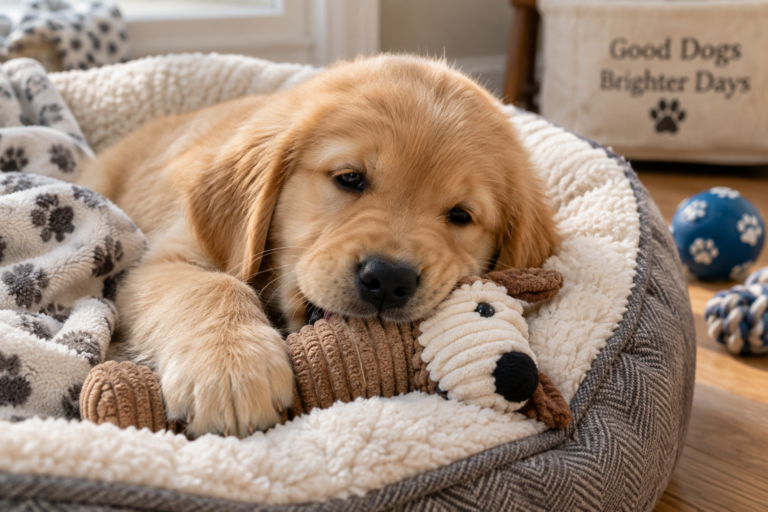
A Simple Guide to Getting Your First Puppy
Bringing home a puppy is joyful, messy, and wonderfully life-changing. Your easiest first step is to write down what daily puppy care will involve.
Think about mornings, work hours, evenings, weekends, and travel. A realistic plan helps you choose a puppy who fits your home.
Decide whether puppy life fits right now
Puppies need much more than food, toys, and cuddles. They also need frequent toilet breaks, patient training, safe exercise, and company.
Young puppies can’t simply follow an adult dog’s routine. They’re still learning where to toilet, what to chew, and how to settle alone.
Ask who will handle each daily job. Include feeding, toilet trips, training, cleaning, grooming, and veterinary visits.
Consider your work schedule and commute. If everyone is away for long stretches, arrange suitable daytime help before bringing a puppy home.
Also think about your housing. Check rental rules, shared spaces, noise concerns, stairs, and secure outdoor areas.
The financial commitment continues beyond the adoption or purchase fee. Plan for food, routine veterinary care, training, grooming, equipment, and unexpected illness or injury.
It’s sensible to identify an emergency fund or insurance option early. Read exclusions and waiting periods carefully before choosing coverage.
Choose a puppy who suits your life
Looks matter far less than everyday compatibility. Energy level, adult size, coat care, temperament, and breed tendencies all affect daily life.
Some dogs enjoy long walks and regular training challenges. Others are happier with gentler activity and more quiet time.
Coat type can also change your routine. A fluffy or curly coat may need frequent brushing and professional grooming.
Breed descriptions offer helpful clues, but they aren’t guarantees. Every puppy is an individual shaped by genetics, early experiences, health, and training.
If you have children, consider their ages and behavior around animals. Adults must supervise puppy-and-child interactions, even when both seem calm.
Teach children to leave a puppy alone while eating or sleeping. They should never chase, grab, climb on, or carry the puppy.
Existing pets matter too. A confident adult dog may dislike puppy chaos, while small pets can trigger chasing instincts.
Plan slow, controlled introductions. Give every animal separate food, resting places, and a way to move away.
Find a responsible source
You might adopt through a rescue or buy from a responsible breeder. Either route can lead to a lovely companion.
A good rescue should discuss the puppy’s known background, behavior, health, and support needs. Some history may be unknown, especially with very young or transferred puppies.
A responsible breeder should care about health, temperament, and suitable homes. They should welcome questions and ask plenty of their own.
You should be able to see where the puppies are raised. When appropriate, you should also meet the mother and observe her behavior.
Look for puppies raised in clean, calm surroundings with positive human contact. They should appear alert and comfortable, not unusually fearful or unwell.
Be cautious if someone rushes the decision or avoids basic questions. Pressure, secrecy, and handovers in random locations are sensible reasons to pause.
Ask what food the puppy currently eats. Also request available health, vaccination, parasite-control, identification, and ownership records.
Don’t choose a puppy only because you feel sorry for them. Supporting poor breeding can keep harmful practices going.
Prepare your home before arrival
Puppies investigate with their mouths, which makes ordinary rooms surprisingly adventurous. Get down low and scan every area the puppy can reach.
Secure electrical cords, medicines, cleaning products, batteries, and small objects. Move shoes, children’s toys, and laundry behind closed doors.
Check indoor and outdoor plants before allowing access. Some common plants can harm dogs if chewed or swallowed.
Keep bins, human food, and household chemicals securely closed. Chocolate, grapes, raisins, onions, xylitol, and some medicines are especially dangerous to dogs.
Xylitol is a sweetener found in some sugar-free products. Check labels on gum, sweets, baked goods, toothpaste, and certain spreads.
Block unsafe stairs, balconies, pools, and escape gaps. Never assume a small puppy can’t squeeze through a narrow space.
Choose one calm area as the puppy’s home base. A washable floor and easy outdoor access can make early toilet training simpler.
You can use baby gates to limit access without isolating the puppy. Too much freedom usually creates more chewing and toilet mistakes.
Gather the basic supplies
Start with practical items rather than a mountain of squeaky gadgets. You can add things after learning what your puppy enjoys.
Useful basics include:
- Food suitable for puppy growth
- Food and water bowls
- A comfortable, washable bed
- A secure collar or harness
- A lightweight lead
- An identification tag where required
- Safe chew toys in suitable sizes
- Waste bags and cleaning supplies
- A grooming brush suited to the coat
- A secure travel carrier or restraint
A crate can also be useful when introduced kindly. A crate is a secure, den-like resting space, not a place for long confinement.
Choose items that match your puppy’s current size. Check collars, harnesses, toys, and bedding regularly as the puppy grows.
Avoid toys with loose pieces that can be swallowed. Supervise new chews until you know how your puppy uses them.
Plan a calm first day
Keep arrival day quiet and simple. Your puppy has just left familiar people, animals, smells, and routines.
Take the puppy to the chosen toilet area first. Calm praise helps them begin learning what happens there.
Then show them a small part of the home. Save the grand house tour and visitor parade for another day.
Offer water and the familiar food at the usual meal time. Sudden food changes can upset a puppy’s stomach.
If you need to change food, do it gradually. Ask your veterinary team how to transition safely for your puppy.
Expect the puppy to sleep often. Young dogs need plenty of rest, even when they fight sleep like tiny party guests.
Give them a quiet sleeping spot away from constant foot traffic. Don’t disturb them for cuddles when they’ve settled.
Arrange veterinary care early
Choose a veterinary practice before the puppy arrives. Ask what records to bring and when the puppy should first be seen.
The veterinary team can check general health and discuss vaccinations, parasite control, identification, feeding, and safe activity. Recommendations vary with age, location, lifestyle, and previous care.
Bring every record supplied by the breeder or rescue. Don’t guess which care has already been completed.
Ask when your puppy can safely explore public places. Disease risk differs between areas, so local veterinary guidance matters.
Contact a veterinarian promptly if your puppy suddenly seems weak, collapses, struggles to breathe, vomits repeatedly, or has severe diarrhea. Refusing food alongside unusual sleepiness or pain also deserves quick advice.
Puppies can worsen faster than adult dogs. If something feels seriously wrong, don’t wait for a training solution.
Start toilet training immediately
Toilet training works best through prevention, repetition, and rewards. Punishment only teaches puppies that toileting near people feels unsafe.
Take your puppy to the toilet area after waking, eating, drinking, playing, and exciting events. Young puppies also need frequent opportunities between those moments.
Watch for sniffing, circling, wandering away, or suddenly stopping play. Calmly guide the puppy outside before an accident happens.
Reward outdoor toileting immediately with praise or a tiny food reward. Timing matters because puppies connect rewards with what just happened.
If an accident occurs, clean it thoroughly without drama. Use a pet-safe cleaner designed to remove lingering odors.
Never rub a puppy’s nose in a mess. They won’t understand the lesson, and it can damage trust.
Make nighttime easier
The first few nights may include crying or restlessness. Your puppy is adjusting to sleeping without familiar companions.
Place the sleeping area near you at first if practical. Your presence can help the puppy settle without creating a permanent problem.
Nighttime crying may mean the puppy needs the toilet. Keep toilet trips quiet, brief, and boring, then return to bed.
Don’t expect a very young puppy to stay dry all night. Bladder control develops gradually.
Build a predictable bedtime routine. A toilet trip, calm activity, and dim lights can signal that the day is ending.

Teach with rewards
Reward-based training means giving something pleasant after behavior you want repeated. Rewards can include food, play, praise, or access to something enjoyable.
Start with the puppy’s name, coming when called, and calmly following you. Keep sessions short enough that the puppy still wants more.
Reward four paws on the floor instead of reacting only to jumping. Notice quiet, polite behavior throughout the day.
Everyone should use the same words and rules. Mixed messages make training harder for puppies and humans alike.
Puppy biting is common during play and teething. Redirect teeth onto a suitable toy, then pause interaction if biting continues.
Avoid shouting, hitting, muzzle-grabbing, or “dominance” methods. These approaches can cause fear and may worsen behavior problems.
A well-run puppy class can support training and safe social development. Look for calm, reward-based teaching with suitable health precautions.
Socialize without overwhelming your puppy
Socialization means helping a puppy form safe, positive feelings about everyday life. It isn’t the same as meeting every dog or person.
Introduce new sounds, surfaces, people, handling, and environments in gentle steps. Pair each experience with food, play, or calm praise.
Let your puppy choose distance when possible. Turning away, hiding, freezing, lip licking, or refusing food can signal discomfort.
Don’t force interaction when the puppy looks worried. Create more space and make the experience easier.
Choose known, calm dogs for early introductions. Avoid chaotic greetings and crowded dog areas, especially before your veterinarian says they’re appropriate.
Good socialization values quality over quantity. One relaxed experience beats ten overwhelming ones.
Practice being alone gradually
Puppies need to learn that short separations are safe. Start when they’re calm and their basic needs have been met.
Step away for a very short period, then return before distress builds. Increase the time slowly as your puppy becomes comfortable.
A safe chew or food-filled toy may help create a pleasant association. Only leave items you know your puppy uses safely.
Persistent barking, frantic escape attempts, drooling, or panic need careful attention. Ask a qualified reward-based trainer or veterinary professional for guidance.
Build care into everyday life
Gently introduce brushing, paw handling, ear checks, and brief mouth checks. Pair handling with rewards and stop before the puppy becomes upset.
This preparation can make grooming and veterinary care less stressful. It also helps you notice changes early.
Exercise should suit the puppy’s age, size, health, and confidence. Play, sniffing, and short explorations can be as valuable as formal walks.
Avoid pushing a growing puppy through exhausting exercise. Ask your veterinary team about activities suited to your individual dog.
Feed a complete puppy food intended for growth. Portion guidance is a starting point, since body size and activity vary.
Keep fresh water available. Avoid unbalanced homemade feeding plans unless they’re created for your puppy by a qualified veterinary nutrition professional.
Expect progress, not perfection
Puppies don’t arrive knowing human rules. Chewed slippers and surprise puddles are information, not personal betrayal.
Manage the environment so good choices become easier. Then reward those choices often and consistently.
Progress may wobble during teething, growth, fear stages, or household changes. Sudden major behavior changes can also signal pain or illness, so seek qualified help.
Today, make one simple preparation list. Write three headings: daily care, home safety, and veterinary support. That small step turns puppy excitement into a kind, workable plan.